
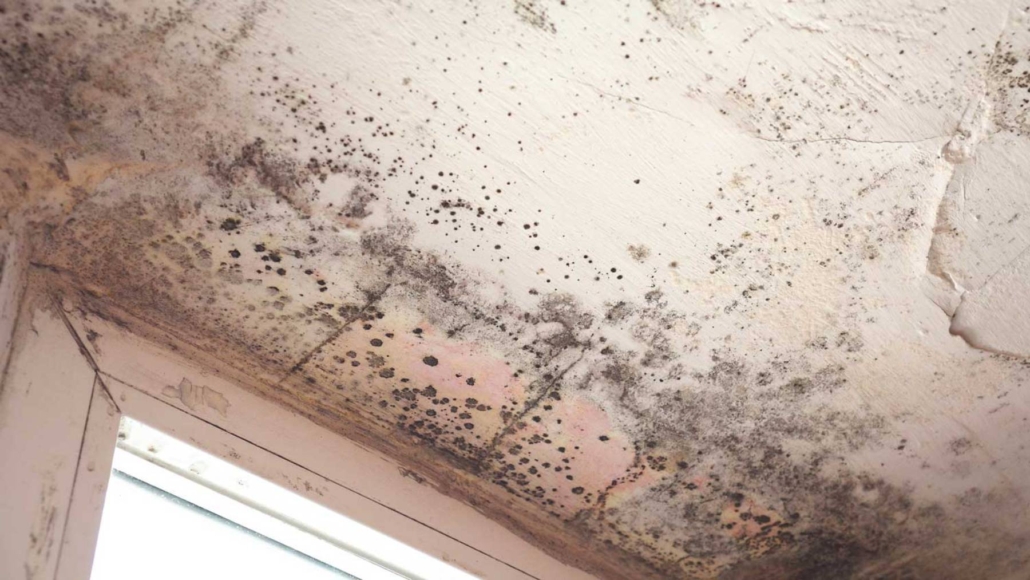
Mold Inspection on Long Island: Why It Matters More Than You Might Think
Mold is not a problem confined to neglected or flooded properties. It is a condition that develops gradually in ordinary homes across Long Island, tucked behind finished basement walls, growing silently in attic cavities, and spreading through crawlspace framing without a single visible sign at the living room level. Long Island’s climate, its dense housing stock of older homes, and the particular construction characteristics of the region create the exact conditions in which mold establishes itself most readily. A mold inspection on Long Island is a meaningful investment for buyers, sellers, and homeowners who want to understand and protect the air quality and structural integrity of their home.
What Makes Long Island Homes Particularly Vulnerable
Mold requires moisture, organic material, and warmth. Long Island provides all three in abundance. The humid summers push indoor moisture levels consistently higher than homes without adequate dehumidification can manage. Late season nor’easters and heavy rainfall events send water into basements, window wells, and foundation walls with regularity. The island’s coastal proximity means that even in the off-season, ambient humidity remains elevated compared to inland regions.
The housing stock compounds the risk. A very large share of Long Island’s homes were built between the 1940s and 1980s, a period when basement finishing was common, attic ventilation standards were less rigorous than they are today, and building techniques that we now recognize as moisture traps were standard practice. Finished basement walls without vapor barriers, attic insulation installed in ways that restrict airflow and create condensation zones, and bathroom exhaust fans that vent into the attic rather than to the exterior are all common findings in Long Island homes of that era, and all are reliable contributors to mold growth over time.
Homes in communities closer to the water, including many of the most sought-after neighborhoods across the South Shore and North Shore, face additional salt air humidity that accelerates the deterioration of building materials and increases the likelihood of moisture intrusion around windows, doors, and rooflines.
What a Mold Inspection Involves
A mold inspection performed by Rossi Home Inspections is a thorough evaluation of the property with specific attention to moisture conditions, visible mold growth, and the building characteristics that create mold risk. It goes well beyond a general visual check.
The inspection includes an assessment of the basement, crawlspace, attic, and any other areas where moisture is commonly concentrated. A licensed mold assessor evaluates the moisture levels in walls and materials using calibrated moisture meters, looks for staining and discoloration that indicates past or current water infiltration, checks ventilation systems and exhaust routing for common deficiencies, and documents all findings in a detailed report.
Where laboratory testing is warranted, air samples and surface samples are collected and sent to a certified lab. Air sampling measures the concentration and species of mold spores present indoors compared to outdoor baseline levels. Surface sampling confirms the presence and type of mold at specific locations. The lab results are included with the inspection report, providing documented, scientific data rather than assumptions.
Dan Rossi holds a New York State Licensed Mold Assessor credential, meaning Rossi Home Inspections meets the state’s specific licensing requirements for mold assessment work in New York. This is not a credential every home inspector carries, and it matters for the validity and usability of the mold assessment report under New York State law.
Common Places Mold Hides in Long Island Homes
Most homeowners are surprised to learn where mold inspections most commonly turn up problems. The obvious locations, a visible stain under a window or a dark patch on bathroom grout, are the exceptions rather than the rule. The more consequential findings tend to be in areas that homeowners have no regular reason to access.
Attics are among the most frequent sites for significant mold growth in Long Island homes. When bathroom exhaust fans vent into the attic rather than through the roof, moisture-laden air is deposited directly onto the attic sheathing with every shower. Combined with inadequate attic ventilation, this creates persistent high humidity conditions that support mold growth across large sections of the roof decking and rafters. Because homeowners rarely go into their attics, this situation can develop and worsen for years without detection.
Basement wall cavities in finished spaces are another common site. When finished walls are framed against foundation walls without proper vapor barriers, humidity migrating through the concrete finds the wood framing, insulation, and drywall on the other side. The resulting mold growth is concealed behind the finished surface and only detectable through testing or when the wall is opened.
Crawlspaces, which are present in a meaningful number of Long Island homes, concentrate ground moisture and can support significant mold growth on the underfloor framing if vapor barriers are absent or inadequate.
Using a Mold Inspection During a Home Purchase
For Long Island buyers, a mold inspection on Long Island provides critical information that a standard home inspection is not designed to deliver in full. While a home inspector will flag visible signs of moisture and mold, the laboratory testing and licensed assessment that a dedicated mold inspection provides offers a documented, legally supported evaluation of the home’s mold status.
In a real estate transaction, findings from a mold inspection give buyers the documentation needed to negotiate effectively. Mold remediation on Long Island, particularly for attic or basement conditions requiring professional intervention, can run from a few thousand dollars for contained treatment to significantly more for widespread infestations requiring structural material removal and replacement. Knowing what is present before closing is far preferable to discovering it after.
Frequently Asked Questions About Mold Inspections on Long Island
Why is mold such a common problem on Long Island specifically? Long Island’s humid summers, frequent heavy rainfall, proximity to coastal moisture, and large inventory of older homes with basement finishing and aging ventilation systems all create conditions where mold develops readily. The combination of climate factors and construction era characteristics makes mold a more common finding in Long Island homes than in many other parts of the country.
Does a standard home inspection cover mold? A standard home inspection includes a visual assessment for visible signs of mold and moisture intrusion. It does not include laboratory testing or the licensed mold assessment work required under New York State law. A dedicated mold inspection with air and surface sampling and lab analysis provides the documentation that a standard inspection cannot.
Is a licensed mold assessor required for mold inspections in New York? Yes. New York State requires that mold assessment work be performed by a licensed mold assessor and that mold remediation be performed by a licensed mold remediator. Rossi Home Inspections holds a New York State Licensed Mold Assessor credential, meaning its mold inspection work meets state requirements and produces legally valid assessment reports.
Can mold be present if I cannot see or smell it? Absolutely. Mold in attics, wall cavities, and crawlspaces is typically concealed from view and may not produce a noticeable odor in the living areas below. Air sampling is the primary method for detecting elevated mold spore concentrations in the indoor environment when visible growth is not present.
What should I do if a mold inspection finds elevated levels? The inspection report will identify the type and concentration of mold found and point toward the probable moisture source. A licensed mold remediator should be engaged to assess the extent of the problem and develop a remediation plan. Addressing the underlying moisture issue is essential alongside remediation to prevent recurrence.
How long does a mold inspection take? A mold inspection at Rossi Home Inspections typically takes one to two hours for the on-site assessment, depending on the size and complexity of the property. Laboratory results are returned within a few business days and are included with the full written report.
Your home should be a safe place for the people who live in it. Rossi Home Inspections provides professional mold inspections on Long Island with licensed mold assessment credentials serving Suffolk County, Nassau County, and Queens. Schedule your inspection today and know exactly what you are breathing inside your home.


Leave a Reply
Want to join the discussion?Feel free to contribute!