
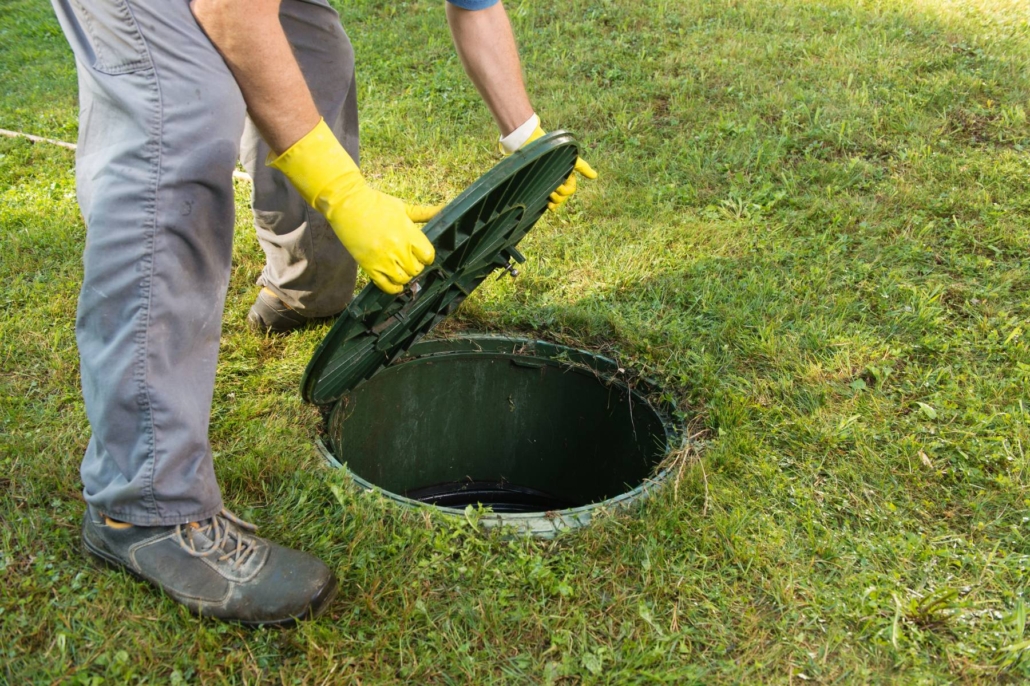
Oil Tank Testing on Long Island: What Every Homeowner Should Know
Long Island’s older housing stock carries a legacy that many buyers and even current homeowners do not think about until it becomes a problem: buried underground heating oil tanks, some of which have been sitting unused and unmonitored for decades. Oil tank testing on Long Island exists specifically to address the risk these forgotten tanks pose, since a leaking underground tank can trigger cleanup costs running into the tens of thousands of dollars, often without any warning until contamination is already underway.
Why This Is Such a Common Issue on Long Island
Before natural gas became widely available, heating oil was the standard fuel source for homes across Suffolk and Nassau counties, and many of those original tanks were installed underground where they were less visible and easier to overlook. Homes have since converted to gas heat or aboveground tanks in many cases, but the old underground tank frequently remains buried in the yard, sometimes unknown even to the current owner if it was left in place by a previous seller decades earlier. Oil tank testing on Long Island is designed to determine whether one of these tanks is present, whether it has ever leaked, and what condition it is currently in.
What the Oil Tank Testing Process Involves
A typical oil tank testing on Long Island evaluation starts with a tank sweep, which uses ground-penetrating equipment to locate any buried tanks on the property that may not appear in existing records. If a tank is found, further testing can determine its condition, including whether corrosion or leaks have compromised its structural integrity. Soil sampling may also be recommended if there is any indication that a leak has occurred, since petroleum contamination can spread through surrounding soil well beyond the tank itself.
The Regulatory Landscape in Nassau and Suffolk Counties
New York State regulates larger petroleum storage systems, but most residential heating oil tanks fall below the size threshold for state registration requirements, which is why oil tank testing on Long Island so often falls to individual homeowners and buyers rather than a state agency. According to the <a href=”https://dec.ny.gov/environmental-protection/hazardous-substance-bulk-storage/underground-heating-oil-tanks-homeowner-guide” target=”_blank” rel=”noopener noreferrer”>New York State Department of Environmental Conservation</a>, Nassau and Suffolk counties are specifically identified as delegated counties where local health departments may have their own regulations covering smaller residential tanks that fall outside state oversight. This means homeowners on Long Island should check with their county health department directly to understand what specific requirements apply to their property.
Why Buyers Should Never Skip This Step
An undetected leaking oil tank can become the new owner’s problem the moment the sale closes, and cleanup costs are rarely covered by standard homeowner’s insurance due to common pollution exclusion clauses. Oil tank testing on Long Island before closing gives buyers the chance to negotiate remediation costs with the seller, request the tank be professionally removed, or walk away from a property with an unresolved contamination issue. Given how significant these costs can become, this step is one of the more financially important parts of due diligence for older Long Island homes.
What Homeowners Should Do If Oil Tank Testing Finds a Tank
If oil tank testing on Long Island reveals an active or abandoned tank, homeowners typically have a few paths forward, including professional tank removal, permanent abandonment in place following proper closure procedures, or ongoing monitoring if removal is not immediately necessary. Consulting with a qualified environmental contractor after testing helps determine the most appropriate and cost-effective solution based on the tank’s specific condition and location.
Frequently Asked Questions
How do I know if my home has an old underground oil tank?
Many homeowners are unaware of a buried tank unless it appears in old property records or is discovered through a professional tank sweep, which uses specialized equipment to locate underground tanks that may not be visible or documented.
Does homeowner’s insurance cover oil tank leak cleanup?
Typically not. Most standard homeowner’s insurance policies contain pollution exclusion clauses that leave the property owner responsible for cleanup costs associated with a leaking oil tank.
Is oil tank testing required to sell a home on Long Island?
It is not universally required by law, but many buyers and their lenders request it as part of the due diligence process, particularly for older homes where an underground tank is a realistic possibility.
How much does it typically cost to clean up a leaking oil tank?
Costs vary widely depending on the extent of contamination, but cleanup can range from several thousand dollars for minor issues to well over one hundred thousand dollars for significant soil and groundwater contamination.
Rossi Home Inspections provides Residential Home Inspections, Pre-Listing Inspections, Termite Inspections, Thermal Imaging, Roof Inspections, 11-Month Warranty Inspections, Sewer Scope Inspections, Water Testing, and Mold Inspections in Long Island and surrounding areas: Suffolk County, Nassau County, and Queens. Concerned about a hidden oil tank on your property? Schedule Your Inspection with Rossi Home Inspections today.

Leave a Reply
Want to join the discussion?Feel free to contribute!